
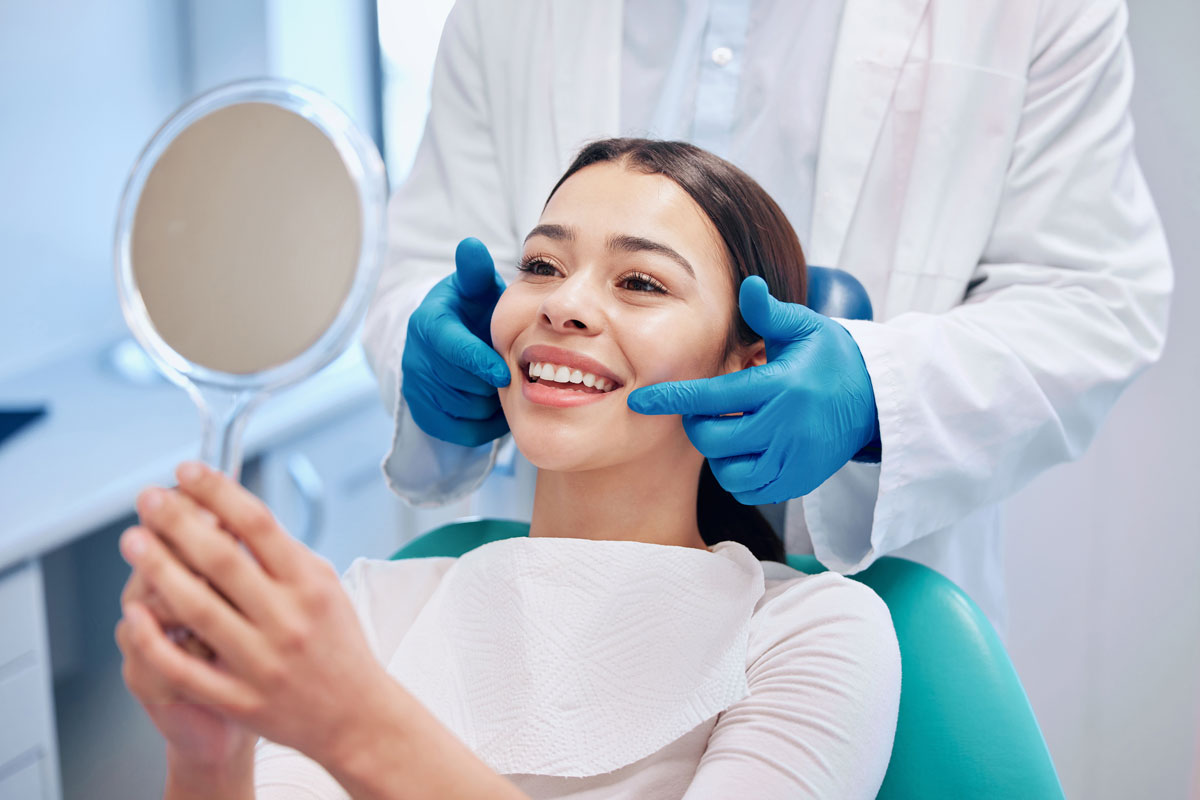
Your smile is one of your greatest assets, but achieving lifelong oral health requires much more than brushing twice a day or visiting the dentist only when something hurts. Total oral wellness is a comprehensive approach to dentistry that focuses on preventing problems whenever possible while providing advanced restorative solutions when necessary. At Gitlin Dental Group, we believe that every patient deserves personalized care that protects their natural teeth, restores function, and helps them enjoy a healthy, confident smile for years to come.
Modern dentistry has evolved tremendously over the past several decades. Today’s patients have access to advanced diagnostic technology, minimally invasive treatment techniques, cosmetic procedures, dental implants, and life-changing full-mouth restorations like All-on-X. These innovations allow dentists to provide more predictable results while improving comfort, reducing treatment time, and helping patients maintain their oral health throughout every stage of life.
However, even with these remarkable advancements, the foundation of exceptional oral health remains the same. Preventive care, healthy daily habits, and routine dental visits continue to be the most effective ways to avoid many common dental problems. When prevention and advanced treatment are combined into one personalized treatment plan, patients receive truly comprehensive dental care that supports both immediate needs and long-term wellness.
What Does Total Oral Wellness Mean?
Total oral wellness means looking beyond individual dental problems and viewing your smile as an important part of your overall health. Instead of simply treating cavities or replacing missing teeth, comprehensive dentistry focuses on preventing disease, restoring damaged teeth, improving function, and maintaining healthy gums and supporting bone throughout your lifetime.
Every patient has unique dental needs. Some individuals require only regular preventive cleanings and examinations to maintain excellent oral health, while others may need restorative procedures, cosmetic improvements, orthodontic treatment, or dental implants. A comprehensive approach recognizes these differences and creates personalized treatment plans designed specifically for each patient’s goals and oral health condition.
At Gitlin Dental Group, comprehensive care begins with understanding your complete dental history, evaluating your current oral health, and discussing your long-term goals. This allows our team to recommend treatments that not only address today’s concerns but also help prevent future complications.
The Importance of Preventive Dentistry
Preventive dentistry remains the cornerstone of total oral wellness. Routine examinations allow your dentist to detect potential problems before they become painful, expensive, or difficult to treat. Small cavities can often be repaired with conservative fillings, while early signs of gum disease can frequently be reversed before permanent damage occurs.
Professional cleanings are equally important because plaque and tartar naturally accumulate in areas that brushing and flossing cannot completely reach. Left untreated, these deposits contribute to tooth decay, gum disease, and eventually tooth loss. Regular cleanings remove harmful bacteria while allowing your hygienist and dentist to evaluate the health of your teeth and gums.
Preventive visits also provide valuable opportunities for education. Every patient’s mouth is different, and personalized recommendations regarding brushing techniques, flossing, nutrition, nightguards, or fluoride treatments can significantly improve long-term oral health. These simple adjustments often prevent more extensive dental procedures in the future.
Routine dental care is also an opportunity to screen for oral cancer, evaluate existing restorations, monitor changes in your bite, and identify conditions that may affect your overall health. Because many dental diseases develop gradually without noticeable symptoms, regular examinations remain one of the most valuable investments you can make in your health.
Advanced Technology Improves Every Stage of Care
Modern dental technology has transformed the way dentists diagnose and treat oral health conditions. Digital imaging, intraoral cameras, and advanced diagnostic tools provide detailed information that simply was not available years ago.
Digital X-rays produce high-quality images while exposing patients to significantly less radiation than traditional film X-rays. These images allow dentists to detect cavities, infections, bone loss, impacted teeth, and other conditions at much earlier stages. Early diagnosis typically results in simpler treatment and better long-term outcomes.
Three-dimensional imaging has become especially valuable for procedures involving dental implants and complex restorative treatment. By evaluating bone density, nerve locations, and anatomical structures with incredible accuracy, dentists can plan treatment with greater confidence while minimizing surgical risks.
Computer-guided treatment planning has also improved precision during implant procedures. By combining digital scans with sophisticated software, dentists can determine ideal implant placement before treatment even begins, helping create more predictable results while improving both comfort and healing.
Restorative Dentistry: Preserving and Rebuilding Your Smile
While preventive dentistry is always the first priority, there are times when restorative treatment becomes necessary. Tooth decay, fractures, gum disease, injury, and natural wear can compromise the health and function of your smile. The goal of restorative dentistry is not only to repair damage but also to restore comfort, function, and confidence while preserving as much healthy tooth structure as possible.
Modern restorative dentistry offers numerous solutions depending on the extent of the damage. Tooth-colored fillings can repair small cavities while maintaining a natural appearance. Dental crowns strengthen weakened teeth after extensive decay or root canal therapy. Bridges replace one or more missing teeth, while dental implants provide a permanent solution that closely mimics the look and function of natural teeth.
The earlier problems are identified, the more conservative treatment can often be. This is another reason why regular dental examinations are so valuable. Addressing small concerns before they become larger ones frequently saves patients time, money, and unnecessary discomfort while preserving more of their natural smile.
When All-on-X Becomes the Right Solution
For patients who have lost most or all of their teeth, restoring oral health requires more than replacing individual teeth. Significant tooth loss affects chewing ability, speech, facial appearance, confidence, and even long-term jawbone health. In these situations, All-on-X offers an advanced, comprehensive solution that can dramatically improve quality of life.
Unlike traditional dentures, which rest directly on the gums, All-on-X uses strategically placed dental implants to securely support an entire arch of replacement teeth. This innovative approach creates a stable, permanent foundation that allows patients to eat, speak, and smile with confidence while reducing many of the frustrations commonly associated with removable dentures.
One of the greatest advantages of All-on-X is that it distributes biting forces through dental implants into the jawbone. This stimulation helps preserve bone that would otherwise deteriorate after tooth loss. Maintaining healthy bone not only supports facial structure but also contributes to the long-term success of the restoration.
Because each patient’s anatomy is unique, careful planning is essential before treatment begins. Advanced digital imaging allows the team at Gitlin Dental Group to evaluate bone quality, determine ideal implant placement, and create a personalized treatment plan designed for predictable, long-lasting results. This level of precision improves both function and aesthetics while helping patients enjoy a smile that feels secure and natural.
For many patients, All-on-X represents far more than a dental procedure. It is an opportunity to regain confidence, improve nutrition by comfortably eating a wider variety of foods, speak more naturally, and enjoy everyday activities without worrying about loose or uncomfortable dentures.
Cosmetic Dentistry Completes a Healthy Smile
A healthy smile should also be one you feel proud to share. Cosmetic dentistry plays an important role in total oral wellness because confidence often encourages patients to take better care of their oral health and maintain regular dental visits.
Professional teeth whitening remains one of the most popular cosmetic treatments, helping remove years of staining caused by coffee, tea, wine, tobacco, and aging. Dental bonding can repair small chips and cracks while improving tooth shape, and porcelain veneers can dramatically transform the appearance of worn, discolored, or uneven teeth.
Orthodontic treatment has also become more comfortable and discreet than ever before. Clear aligner therapy allows many patients to straighten their teeth without traditional metal braces, improving both appearance and bite alignment. Properly aligned teeth are often easier to clean, reducing the risk of tooth decay and gum disease while contributing to better long-term oral health.
Cosmetic dentistry is never just about appearance. Improving the alignment, shape, and function of teeth often supports healthier gums, improves bite balance, and enhances overall oral function. At Gitlin Dental Group, cosmetic recommendations are always made with both aesthetics and long-term oral health in mind.
The Connection Between Oral Health and Overall Wellness
Research continues to demonstrate that oral health is closely connected to overall health. Chronic gum disease has been associated with conditions such as diabetes, heart disease, respiratory illness, and systemic inflammation. While maintaining a healthy mouth cannot eliminate these conditions, reducing oral bacteria and inflammation supports better overall wellness.
Healthy teeth also contribute to proper nutrition. Patients who experience tooth pain or missing teeth often avoid nutritious foods such as fresh fruits, vegetables, nuts, and lean proteins because they are difficult to chew. Restoring dental function through restorative procedures or All-on-X treatment allows patients to enjoy a more balanced diet that supports their overall health.
Oral health can also affect emotional well-being. People who are embarrassed by missing teeth or chronic dental problems frequently avoid smiling, speaking, or participating in social activities. Comprehensive dental treatment often restores confidence while improving quality of life both personally and professionally.
By viewing dentistry as an important part of whole-body wellness, patients can better appreciate the value of preventive care and timely treatment rather than waiting until serious problems develop.
Frequently Asked Questions
Why are regular dental check-ups important?
Regular dental check-ups help your dentist monitor the health of your teeth,
gums, and mouth while identifying potential problems early. Preventive visits
can help stop minor concerns from becoming more complex, uncomfortable, and
costly dental issues.
What are the benefits of digital imaging in dentistry?
Digital imaging provides detailed, high-resolution views of your teeth and
supporting structures. Images are available immediately, can be easily stored
and shared, and typically require significantly less radiation than traditional
film X-rays.
How does routine dental care help prevent major problems?
Professional cleanings remove plaque and tartar that brushing and flossing
cannot fully eliminate. Routine examinations also allow your dentist to detect
cavities, gum disease, oral cancer, and other concerns early, when treatment is
often simpler and more effective.
What should I look for when choosing a dental practice?
Look for a practice that provides patient-centered care, uses modern dental
technology, offers comprehensive services, and remains current through
continuing education. A strong dental team should also listen carefully,
explain treatment clearly, and personalize care to your needs.
How can I help my child develop good oral hygiene habits?
Lead by example, make brushing and flossing enjoyable, and begin oral care
early. Teach your child to brush for two minutes twice a day and schedule their
first dental visit within six months of the first tooth appearing or by their
first birthday.
How does diet affect oral health?
Sugary and starchy foods can increase the risk of tooth decay because oral
bacteria use them to produce enamel-damaging acids. Choose balanced meals,
limit sugary drinks, drink plenty of water, and include teeth-friendly foods
such as vegetables, fruit, nuts, cheese, and calcium-rich options.
What are dental sealants?
Dental sealants are thin protective coatings placed over the chewing surfaces
of back teeth. They help keep food and bacteria out of deep grooves, reducing
the risk of cavities. Applying sealants is quick, painless, and does not
require drilling or numbing.
How does digital dentistry improve the patient experience?
Digital dentistry can improve diagnostic accuracy, make treatment planning
more efficient, and help patients better understand their oral health through
detailed visual images. Digital tools may also reduce appointment time,
radiation exposure, and discomfort.
What is guided dental implant surgery?
Guided implant surgery uses digital scans and specialized software to plan the
position, angle, and depth of a dental implant before the procedure. This can
improve precision, reduce the risk of complications, support less invasive
treatment, and help create more natural-looking results.
How can I care for a dental implant long term?
Brush twice daily, floss every day, attend regular dental check-ups, and use
any cleaning aids recommended by your dentist. Avoid damaging hard or sticky
foods, wear a nightguard if you grind your teeth, and avoid smoking to support
the health and longevity of your implant.