Tooth loss affects millions worldwide, impacting not just oral health but overall quality of life as well. While traditional solutions like dentures or bridges have long been standard treatments, advancements in dental technology have introduced a more permanent alternative: dental implants. Unlike removable prosthetics, implants integrate directly with the jawbone, mimicking natural tooth structure and function. This innovation has transformed how we approach tooth replacement, offering stability, durability, and a restored sense of confidence for those who need it most.
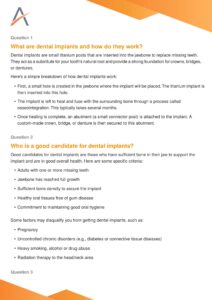
The success of dental implants lies in their design and the precision required to place them. Made from biocompatible materials like titanium, these small screw-like posts fuse with the bone through a process called osseointegration, creating a strong foundation for replacement teeth. Unlike bridges, which rely on neighboring teeth for support, or dentures, which can shift over time, implants stand independently—preserving adjacent teeth and preventing further bone loss.
Modern implant procedures leverage advanced imaging technologies to ensure accuracy and minimize risks. Tools like 3D scans and digital treatment planning allow us to map out each step with extraordinary precision, from initial placement to final restoration. This level of customization not only enhances the procedure’s success but also ensures a seamless fit and natural appearance for patients. For those seeking a long-term solution that feels as close to their original teeth as possible, implants represent a significant leap forward in restorative dentistry.
Understanding Dental Implants and Their Evolution
Dental implants have come a long way since their inception. Early forms of tooth replacement date back thousands of years, with archaeological evidence showing attempts to replace missing teeth using materials like seashells or stones. However, it wasn’t until the mid-20th century that modern dental implantology began to take shape.
The pivotal discovery came in 1952 when Swedish orthopedic surgeon Per-Ingvar Brånemark observed that titanium implants bonded with bone tissue during a study on blood flow. This accidental finding laid the groundwork for osseointegration—the process by which an implant fuses with surrounding bone, providing stability and support similar to natural tooth roots.
Over the decades, advancements in materials science and surgical techniques have refined dental implants into the reliable solution they are today. Early designs often relied on simpler, less effective materials like stainless steel or ceramic, but titanium emerged as the gold standard due to its biocompatibility and strength. As research progressed, so did the understanding of bone healing and integration processes, leading to more predictable outcomes and higher success rates.
Today’s dental implants are meticulously crafted using state-of-the-art technology that ensures durability and longevity. The design incorporates several key components:
- The Implant Post: This is the part of the implant that gets inserted into the jawbone. Made from titanium, it provides a stable anchor for the replacement tooth.
- The Abutment: Acting as a connector, the abutment links the implant post to the crown or denture. It can be made from various materials such as titanium, zirconia, or gold.
- The Crown or Denture: This is the visible part of the dental implant that mimics the natural appearance and function of a tooth. Crafted from high-quality ceramics, it blends seamlessly with surrounding teeth for a lifelike result.
This trifecta works together to create a robust structure capable of withstanding everyday chewing forces while maintaining aesthetic appeal. The integration process typically involves several stages: initial consultation, surgical placement, healing period (osseointegration), and final restoration. Each step is carefully monitored by dental professionals to ensure optimal results.
While the basic principles remain consistent, ongoing research continues to push boundaries in implant dentistry. Innovations such as mini implants, All-on-4 procedures, and immediate load techniques offer patients even more options tailored to their unique needs. These developments not only improve accessibility but also enhance patient satisfaction by reducing treatment times and discomfort.
Comparing Dental Implants with Other Restorative Options
When considering tooth replacement, it’s essential to weigh the pros and cons of different restorative options. Traditional methods like bridges and dentures have long been trusted solutions but come with their own set of limitations. Understanding how dental implants compare can help patients make informed decisions about their oral health.
- Bridges:
A bridge consists of one or more artificial teeth anchored by adjacent natural teeth. While effective in filling gaps, bridges require altering healthy teeth to support the prosthetic, which can lead to additional dental issues over time. In contrast, implants stand alone without affecting neighboring teeth.
- Dentures:
Dentures offer a removable solution for missing teeth but often lack stability and comfort compared to fixed alternatives like implants. They can slip or shift during eating and speaking, causing discomfort and self-consciousness. Additionally, dentures do not stimulate bone growth as implants do, potentially leading to further bone loss over time.
Dental implants, on the other hand, offer numerous advantages that set them apart from traditional restorative options:
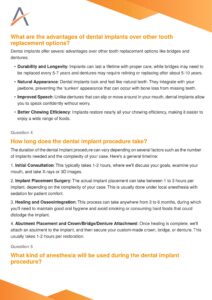
- Durability: Implants are designed to last for many years with proper care. Their titanium construction ensures strength and resilience against daily wear and tear.
- Aesthetics: Custom-made crowns or dentures attached to implants blend seamlessly with natural teeth, providing a lifelike appearance that enhances overall facial aesthetics.
- Comfort: Once integrated into the jawbone, implants feel secure and stable, allowing patients to enjoy their favorite foods without worry. This stability also supports clear speech and eliminates concerns about slippage or movement associated with dentures.
The initial investment in dental implants may be higher than other options, but their long-term benefits often outweigh the costs. Unlike bridges or dentures that require periodic replacements or adjustments, implants offer a more permanent solution with fewer ongoing expenses. For those seeking lasting oral health and quality of life improvements, the value of dental implants becomes evident.
Advancements in implant technology have made procedures increasingly accessible and efficient. Techniques such as immediate loading allow patients to receive temporary restorations on the same day as surgery, minimizing downtime and accelerating recovery. This convenience factor adds another layer of appeal for those considering dental implants as a viable solution.
The Role of Advanced Imaging in Precise Implant Placement
One of the key factors contributing to the high success rates of dental implants is the use of advanced imaging technologies. These tools enable precise planning and execution, ensuring that each implant placement is accurate and efficient. By leveraging cutting-edge equipment, dental professionals can achieve optimal results with minimal invasiveness.
- 3D Imaging:
Three-dimensional (3D) imaging provides detailed views of the jawbone structure from multiple angles. This technology helps identify critical anatomical features such as nerves and sinuses, allowing for meticulous planning before surgery begins.
- Digital Treatment Planning:
Software applications facilitate digital treatment planning by creating virtual models of the patient’s mouth. These simulations allow dentists to map out every step of the procedure, from implant positioning to final restoration placement. Such detailed preparation minimizes risks and enhances precision during surgery.
The integration of these technologies into dental practices has revolutionized how implants are placed. Traditional methods relied heavily on two-dimensional X-rays and manual measurements, which could lead to inaccuracies or complications. With 3D imaging and digital planning, however, practitioners gain unparalleled insights into each patient’s unique anatomy.
This level of detail ensures that implants are positioned correctly within the jawbone, promoting better osseointegration and long-term stability. Advanced imaging reduces recovery time by minimizing tissue trauma during surgery. Patients benefit from faster healing processes and quicker returns to normal activities.
At Gitlin Dental Group, we prioritize utilizing these state-of-the-art technologies to deliver exceptional care. Our commitment to staying at the forefront of dental advancements ensures that patients receive top-tier treatment tailored specifically for them. By combining precision planning with expert surgical techniques, we achieve outstanding outcomes consistently.
Long-Term Benefits: Why Dental Implants Enhance Overall Wellness
The advantages of dental implants extend far beyond mere tooth replacement; they contribute significantly to overall health and well-being. Understanding these long-term benefits can help patients appreciate the value of investing in this restorative solution.
- Preventing Bone Loss:
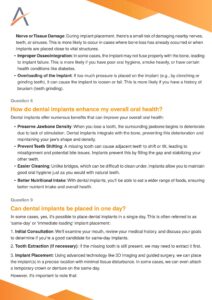
When teeth are lost, the underlying jawbone begins to deteriorate due to lack of stimulation. Dental implants mimic natural tooth roots by stimulating bone growth through osseointegration. This process helps maintain bone density and volume over time, preserving facial structure and preventing further deterioration.
- Maintaining Facial Structure:
Bone loss in the jaw can lead to changes in facial appearance, resulting in a sunken or aged look. By supporting bone health, implants help retain natural contours of the face, enhancing overall aesthetics and self-confidence.
- Improving Oral Health:
Implants do not require altering adjacent teeth like bridges do; thus, they preserve more of your natural dentition. This aspect promotes better oral hygiene practices since individual implants can be cleaned just like regular teeth.
Dental implants provide functional benefits that improve quality of life. Patients report enhanced chewing ability and comfort when eating their favorite foods without restrictions. Speech clarity also improves as stable implants eliminate concerns about slippage or movement associated with dentures.
Psychologically, regaining a complete smile can boost self-esteem and social interactions significantly. Many patients find renewed confidence in professional settings and personal relationships after undergoing implant procedures. This emotional well-being is an intangible yet crucial aspect of overall wellness that dental implants facilitate.
Making the Right Choice: Factors to Consider Before Your Procedure
Choosing to undergo dental implant surgery involves careful consideration of various factors. Understanding these elements can help patients make informed decisions about their oral health journey and ensure a positive outcome.
- Oral Health Status:
Good overall oral health is essential for successful implant integration. Conditions like gum disease or inadequate bone density may require pre-treatment interventions to address underlying issues before proceeding with implants.
- Lifestyle Factors:
Habits such as smoking can negatively impact healing and osseointegration processes, potentially compromising implant success. Patients should be aware of lifestyle modifications that may enhance treatment outcomes and longevity.
- Dental Care Routines:
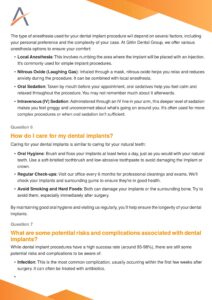
Maintaining excellent oral hygiene is crucial post-implant placement to prevent infections or complications. Regular check-ups, professional cleanings, and at-home care routines play vital roles in sustaining implant health over time.
For those considering dental implants, it’s essential to consult with experienced professionals who can guide you through each step of the process. At Gitlin Dental Group, we offer personalized consultations tailored to individual needs, ensuring that every patient receives comprehensive support throughout their treatment journey.
Embrace Your Smile
The decision to invest in dental implants is more than just about restoring missing teeth; it’s about reclaiming confidence and embracing a healthier lifestyle. At Gitlin Dental Group, we are committed to providing exceptional care and state-of-the-art solutions tailored specifically for you.
Frequently Asked Questions